
Monday, January 23, 2023

Wednesday, December 14, 2022
Online Metabarcoding Course - March 6 to 31, 2023
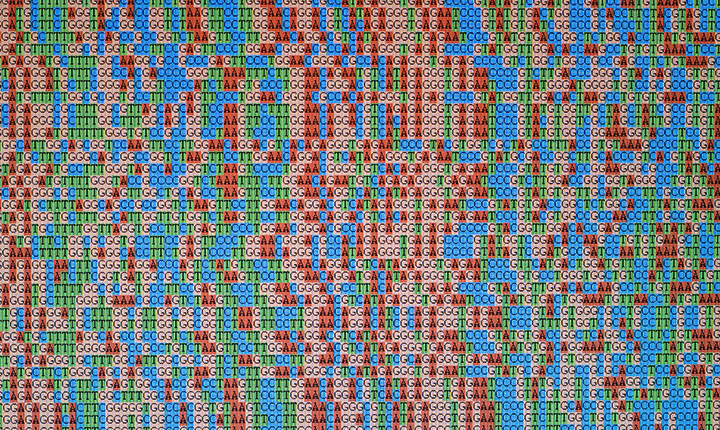
It is time again for my online Metabarcoding course:
This course provides an overview of the state of current technology and the various sequencing platforms used. It consists of a series of online lectures and research exercises and will go over 4 weeks but is designed in a fashion that you can go through course content at your own pace and according to your own schedule with work worth 4-8h per week. The course is fully asynchronous to accommodate for participants from various time zones. We still strive to make it as interactive as possible.
I have updated course content to include the newest HTS technology and methods such as metagenomics and transcriptomics.
Throughout the course, we will explore:
- High throughput sequencing
- Metabarcoding/Metagenomics
- Metabarcoding analytics
- Recent applications
The course consists of a series of online lectures, research exercises, and group discussions where you have a chance to review the state of current technology, the various platforms used and the suite of bioinformatics tools available for sequence analysis and data interpretation.
For more information please go on the course enrolment page at the University of Guelph.
Tuesday, November 8, 2022
Post-Doctoral Fellowship in Bioinformatics and Ecological Genomics, University of Guelph, Canada
I am looking for a new Postdoctoral Fellow. Here the official posting:
Land Acknowledgement
The University of Guelph resides on the treaty lands and territory of the Mississaugas of the Credit. We recognize this gathering place where we work and learn is home to many past, present, and future First Nations, Inuit, and Métis peoples. Our acknowledgement of the land is our declaration of our collective responsibility to this place and its peoples’ histories, rights, and presence.
This post-doctoral position will be part of the Food from Thought initiative funded through a Canada First Research Excellence Award: https://foodfromthought.ca/. Contributing to this large endeavour to improve food security and sustainability, our goal is to generate bioinformatics strategies for the prediction of biodiversity and ecosystem services from diverse data types, such as -omics data, digital photographs, and/or environmental data. Data analysis has begun to catch up with the pace of data generation, and in these times where understanding and mitigating the effects of climate change and feeding a growing human population is of utmost importance, we need to turn our sights on connecting different sources of data and extracting actionable meaning from them. The successful applicants will utilize existing and new biological and environmental datasets, along with additional external data, with the goal of predicting ecosystem services, ecosystem health status, and biodiversity metrics using approaches such as statistical learning, machine learning, and network analysis. This may include such important factors as pollination, invasive species resistance, pest control, trophic interactions, water quality, and others. Successful applicants will be part of a cohort of six postdoctoral scholars focused on bioinformatics and ecosystem services, who will work together with a multidisciplinary team of Principal Investigators, students, staff, industry members, and communities.
· The opportunity to engage in creative and impactful research relevant for sustainability and
food security
science, statistics, ecology, evolutionary biology, and genomics
include scientific research; collaboration; communication with diverse stakeholders;
technical skills relating to coding, data analysis, graphics, code review, and publishing of
bioinformatics tools)
industry, and governmental agencies
support your research, career, and impact/outreach goals
conference attendance as well as open-access publishing
Specific Information (PDF in Bioinformatics and Ecological Genomics)
We are seeking candidates interested in developing bioinformatics tools for taxonomic and functional annotation of multi-kingdom samples. Data are generated from amplicon-based approaches and/or metagenomics/totalRNA. We want to estimate and potentially forecast how local biodiversity is shaped by regional diversity, functional shifts within communities, spatial gradients of biotic and abiotic factors, seasonal climatic constraints, local habitat heterogeneity, and anthropogenic stressors.
The selected candidate will be based in the research group of Dr. Dirk Steinke (Adjunct Professor of Integrative Biology & Bioinformatics) and will also benefit from working closely with a co-advisor with complementary expertise in statistics or computer science as well as other collaborators.
Required Qualifications & Attributes
· Must hold a PhD in bioinformatics, evolutionary biology, molecular ecology, genomics, or a
We are seeking candidates interested in developing bioinformatics tools for taxonomic and functional annotation of multi-kingdom samples. Data are generated from amplicon-based approaches and/or metagenomics/totalRNA. We want to estimate and potentially forecast how local biodiversity is shaped by regional diversity, functional shifts within communities, spatial gradients of biotic and abiotic factors, seasonal climatic constraints, local habitat heterogeneity, and anthropogenic stressors.
The selected candidate will be based in the research group of Dr. Dirk Steinke (Adjunct Professor of Integrative Biology & Bioinformatics) and will also benefit from working closely with a co-advisor with complementary expertise in statistics or computer science as well as other collaborators.
· Must hold a PhD in bioinformatics, evolutionary biology, molecular ecology, genomics, or a
related discipline
required; skills must include: data formatting and filtering, data exploration and quality
checking, graphics, data analysis; prior experience in usage of high-performance
computing resources an asset; prior experience in software development and code testing
an asset)
sequencing data, genome assembly, machine learning, and/or statistical learning,
include prior publication of code and/or a thorough methods section in your prior
publication(s))
(evidence of this attribute could include: prior or planned mentorship activities or
collaborations; participation in relevant committees or working groups; your personal
communication practices, etc.)
Application Requirements
A completed application will consist of:
· Cover letter describing your interest in the position and also highlighting how you meet the
A completed application will consist of:
· Cover letter describing your interest in the position and also highlighting how you meet the
required qualifications and attributes
conference presentations, outreach or leadership activities, interests)
advisors, collaborators, and/or an individual you have mentored.)
press; pre-prints are welcome among the selected submissions)
Please combine all of the above components into a single PDF and email to:
Dr. Dirk Steinke: dsteinke@uoguelph.ca
Length of Appointment & Salary
The PDF position is available for two years. Goal setting will be completed collaboratively early in the position, and progression will be discussed through regular meetings and reviewed at the one-year mark. The salary is $47,000 Canadian dollars annually, plus 17.2% value in benefits. The selected candidate will also benefit through access to $5,000 in travel funds for workshops and conferences and at least $3,000 to publish in open-access venues.
Deadline
Review of applications will commence on December 15 and proceed until the position is filled. The start date will be as soon as possible thereafter (subject to discussion with the successful applicant).
Equity, Diversity & Inclusion
The Steinke lab strongly supports diversity in science, and applicants from under-represented racial, cultural, gender-identity, physical ability, and/or neurological spectrums are particularly encouraged to apply. Applications can be received immediately; however, evaluation of the applications will not commence until December 15, 2022 in order to allow for a diverse applicant pool to be evaluated.
Dr. Dirk Steinke: dsteinke@uoguelph.ca
The PDF position is available for two years. Goal setting will be completed collaboratively early in the position, and progression will be discussed through regular meetings and reviewed at the one-year mark. The salary is $47,000 Canadian dollars annually, plus 17.2% value in benefits. The selected candidate will also benefit through access to $5,000 in travel funds for workshops and conferences and at least $3,000 to publish in open-access venues.
Review of applications will commence on December 15 and proceed until the position is filled. The start date will be as soon as possible thereafter (subject to discussion with the successful applicant).
The Steinke lab strongly supports diversity in science, and applicants from under-represented racial, cultural, gender-identity, physical ability, and/or neurological spectrums are particularly encouraged to apply. Applications can be received immediately; however, evaluation of the applications will not commence until December 15, 2022 in order to allow for a diverse applicant pool to be evaluated.
Friday, September 16, 2022
Research support program La Tribuna in Colombia.
Great video about the research support program La Tribuna in Colombia.
An exemplary participatory science exercise: This video shows how the inhabitants of this region become 'biomonitors', people from the local community who, by sharing their expertise, generate a dialogue of traditional knowledge with students from different universities in Colombia. In turn, they learn about modern research methods.
The video is in Spanish but that's no problem. It is not a problem to understand the message.
Tuesday, August 16, 2022
Job announcement - NINA, Norway: Bioinformatician with focus on eDNA and DNA-metabarcoding
NINA is among Norway’s largest applied ecology research institutes with approximately 300 employees. NINA´s staff conducts natural and social science research related to interactions between humans and nature. The company’s head office is located in Trondheim, adjacent to the Norwegian University for Science and Technology (NTNU) Gløshaugen campus. NINA also has satellite offices in Oslo, Lillehammer, Bergen and Tromsø, and a salmonid research station at Ims in Rogaland County. The position will be based in NINA´s Department for Aquatic Biodiversity in Trondheim.
NINA conducts high quality, applied research that is directly relevant to real world applications. Our projects are financed by a broad variety of private and public sector clients, including environmental managers, industry, and national and international research councils. NINA is a leading research institute in ecological genetics both nationally and internationally, hosting well-equipped modern lab facilities at our Trondheim location. We increasingly use genetic methods for mapping and monitoring of biodiversity on landscape to population levels, and for the detection and monitoring of invasive species, and threatened species. NINA runs several national monitoring projects involving eDNA from water, soil, and scat samples, analyzing diversity of fungi, plants, insects, fish, mammals and more. NINA therefore sees a strategic need for bioinformatic expertise in the genetic group in Trondheim, and wishes to expand the group with a permanent, full-time research technician in bioinformatics.
Key tasks in the position will be bioinformatic processing of sequence data and database management, particularly in relation to environmental DNA applications. However, other types of biological data collected in NINA are also relevant for the position. Depending on their skills and preferences, the successful candidate may also be involved in writing of scientific reports and papers, statistical analyses, and graphic presentations of results.
The successful candidate will be independent and an initiative taker, preferably holding an MSc degree or equivalent in bioinformatics or biology, and with practical qualifications and experience with bioinformatic analyses, R, Bash, Python and SQL/database management. Experience with eDNA and DNA-metabarcoding data is an advantage. Competence within population genetics is a plus, but not a requirement for the position. You are proactive, a good communicator, and like to work in interdisciplinary teams. You like scripting and programming using large datasets and you can handle working with several projects at the same time. You are prepared for challenging and variable work and are flexible to meet the variation of tasks included in applied research.
The position will be based at the Department of Aquatic biodiversity in Trondheim, but the successful candidate is expected to work on a broad array of projects across all departments in NINA.
NINA has an international working environment, with employees from more than 25 nationalities. The working language in NINA is Norwegian and it is expected that the successful candidate for this position will learn Norwegian after starting in NINA, if the candidate is not already familiar with a Scandinavian language.
NINA offers
- Permanent position in one of Europe’s strongest environmental research institutes
- Payment according to scientific merits and experiences
- Flexible working hours
- Obligatory, attractive group pension scheme and insurance
- Attractive work environment in modern offices of high standard
Applications may be submitted on e-mail to siri.svendsen@nina.no. It must include a CV with information on education, relevant work experience, references, and, if relevant, list of scientific publications.
Competitive candidates will be invited for interview.
NINA works actively to create a more diverse and inclusive work environment, as well as to recruit more women into research positions. Researchers with a minority background, women, and candidates who contribute to a wider diversity are therefore encouraged to apply.
Enquiries about the positions can be made to:
Senior Scientist Frode Fossøy (frode.fossoy@nina.no, tel: +47 99692303)
Research Director Ingeborg Palm Helland (ingeborg.helland@nina.no, tel: +47 97654820)
Application deadline is 15 of September 2022.
Thursday, December 9, 2021
PhD position on pond turtles and metabarcoding
The LOEWE Center for Translational Biodiversity Genomics (LOEWE-TBG) aims at making the genomic basis of biological diversity accessible for basic and applied research. Building on genome sequencing and analysis, LOEWE-TBG research topics range from comparative genomics, natural products genomics, and genomic biomonitoring to functional environmental genomics. LOEWE-TBG is based in Frankfurt am Main, Germany, and is a joint venture of the Senckenberg Gesellschaft für Naturforschung (SGN), Goethe-University Frankfurt, Justus-Liebig-University Giessen and Fraunhofer Institute for Molecular Biology and Applied Ecology.
Subject to funding approval LOEWE-TBG and the Senckenberg Gesellschaft für Naturforschung invite applications for a
PhD Position (m/f/d; 65%) in the EU-project
EMYS-R: A socio-ecological evaluation of wetlands restoration and reintroduction programs in favor of the emblematic European pond turtle and associated biodiversity: a pan-European approach
Project background: Over the last 3 decades, the EU has funded numerous projects for wetland restoration in favor of the European pond turtle. Yet the results of these measures need to be more intensely promoted. A key question remains unanswered: what are the most effective wetland restoration methods suitable for sustainable maintenance and recovery of the European pond turtle and associated wildlife throughout Europe?
EMYS-R consolidates an existing international network of researchers and stakeholders to share complementary knowledge on past, present and future wetlands, biodiversity and their management. It is a 3-year participatory action-oriented research project based on seminal theories in humanities, social and natural sciences. It aims at testing the hypothesis that higher degrees of wetland restoration can compensate for limited capabilities of captive bred turtles to settle in the wild, and assess how specifically such conservation actions benefit society by bringing together people and nature.
Your tasks:
The successful PhD candidate will be involved in the ecological assessment of wetland restoration, turtle reintroduction and consequences on local biodiversity including non-target species. While based in Frankfurt am Main, Germany, the candidate will spend a substantial amount of time at the German and French field sites, and will also be traveling to trainings and meetings in Poland and Latvia, contributors of the EMYS-R consortium. More specifically, the successful candidate will conduct the following tasks:
Data collection: behavioral (animal-borne data loggers including GPS and time-depth-acceleration recorders), biometric/demographic (capture-mark-recapture protocols) and ecological (water, sediment, turtle-centered prey-predators feces samples) on the German study site in Neuburg am Rhein
eDNA Metabarcoding of environmental (water and sediment) and ecological (turtle prey-predator feces) samples
bioinformatic analyses of metabarcoding sequences for genomic biodiversity monitoring and food web analyses
Data analyses of existing and formerly collected time series on turtle behavior, biometry and demography
Support and then lead field sessions in Neuburg am Rhein
Support with public perception seminars and workshops in Neuburg am Rhein
Literature review on German-written grey literature about wetland renaturations and turtle reintroductions
Writing scientific publications, contributing to national and international conferences, as well as to internal
reports and international guidelines
Your profile:
Master degree in Biology, Ecology, Environmental Sciences, or equivalent
Programming experience with manipulating large database (Metabarcoding sequences, behavioral long time
series)
knowledge in R, MatLab and Linux desirable
Experience in the molecular genetic lab
Experience with Metabarcoding desirable
Mastering multivariate statistics
Interest in interdisciplinary approaches
Proven capabilities in implementing field protocols in remote places in autonomy and within a team
Able to team up within a large international consortium
Professional communication skills within the scientific consortium, but also with local stakeholders
Fluent (speech and writing/reading) in German and English
Ideally you are owner of the driving license B, are easy with wetlands and are able to swim
Salary and benefits are according to a full-time public service position in Germany (TV-H E 13, 65%). The contract should start as soon as possible – but no later than April 1st, 2022 - and will initially be limited for 3 years.
The Senckenberg Research Institutes support equal opportunity of men and women and therefore strongly invites women to apply. Equally qualified handicapped applicants will be given preference. The place of employment is in Frankfurt am Main, Germany.
Please send your application, mentioning the reference of this job offer (ref. #12-21008) before 14.01.2022 by e-mail (attachment in a single pdf document) and including a cover letter detailing research interests and experience, a detailed CV and a copy of your certification to:
Senckenberg Gesellschaft für Naturforschung Senckenberganlage 25
60325 Frankfurt am MainE-Mail: recruiting@senckenberg.de
For more information contact Dr. Kathrin Theissinger (kathrin.theissinger@senckenberg.de).
Tuesday, December 7, 2021
Course: Introduction to DNA Barcoding
Instructor - yours truly.

|
|
Thursday, October 28, 2021
PhD positions at LIB, Bonn
From the Inbox:
Dear colleagues,
I'm currently offering two PhD positions in my recently started SAW-funded junior research group on "Hybrid swarm evolution of native and invasive Phoxinus spp. to the river Sieg, Germany" at the ZMB and ZTM. For those wondering: it's vertebrates --> fish.
The exciting thing is that I am looking for i) one person specialising on ecology and morphology of the fishes and ii) the other person focusing on the genomics. So I'd say the project encompasses a large bouquet for different interests and abilities that jointly venture to understand the hybridisation processes and the invasiveness of hybrids in locally endangered minnow populations.
Deadline is Nov. 7 2021, apply here https://leibniz-lib.de/en/karriere/!
Thanks and best wishes,
Madlen
Dr. Madlen Stange
Tuesday, February 2, 2021
MSc position, Bees@School project – Fall 2021
Changing wild bee species distributions and pollination service shifts
A MSc graduate student position is available in my research group in the Department of Integrative Biology at the College of Biological Sciences - University of Guelph. Research in our group focusses on biodiversity genomics and the development of metabarcoding and metagenomic approaches for biodiversity research. We seek not only information on how communities are composed but also how its members are interconnected and interdependent. In addition to simply counting and registering we explore relationships between community members, to better understand the functional competence of communities, and to model responses to changes in the environment.
I am looking for an enthusiastic MSc graduate student who wants to work on a research project that is done in close collaboration with schools across Canada and the Centre for Biodiversity Genomics. Each year the Bees@School project teams up with 200 school classrooms to provide critical information on the changing geographic distributions of plant-pollinator interactions across Canada, and be of considerable benefit to everyone as pollinator-dependent foods already make up a third of our diet. By combining state-of-the-art DNA metabarcoding of bees, and the pollen they carry, with distribution and climate change data, we explore how distributions of Canada’s bee species are changing along with climate. The project also determines how pollination services shift across Canada, with impacts on food production and landscape management advice to improve vital species chances of persisting in agricultural landscapes and alleviating pollination deficits.
Desired qualifications include excellent communication and strong writing skills (interactions with both school teachers and students are part of the project). The project involves extensive molecular laboratory work (metabarcoding), computational approaches that include some programming and the use of high performance computing infrastructure, as well as GIS modelling. No extensive prior experience is required, but applicants must be willing to learn. Attention to detail and an aptitude towards sometimes tedious manual labour is an asset.
Highly motivated students with a BSc degree and honours research experience (or equivalent) will be considered. Candidates with strong background in Ecology, Molecular Biology, or Environmental Biology are preferred. This position is open to Canadian citizens or permanent residents. Other strong candidates are also welcome to apply. To learn more about this project and the application process, contact me (dsteinke@uoguelph.ca) with your CV, transcript (unofficial is fine), and contact information for two references.
Dr. Dirk Steinke
Department of Integrative Biology | Centre for Biodiversity Genomics
University of Guelph
E-mail: dsteinke@uoguelph.ca
Thursday, January 21, 2021
Online Metabarcoding Course - March 1 to 28, 2021

A reminder that this course will start in a little over a month. The deadline for Early bird registration is January 31st to receive a discount.
I have updated course content to include the newest HTS technology and methods such as metagenomics and transcriptomics.
Throughout the course, we will explore:
- High throughput sequencing
- Metabarcoding/Metagenomics
- Metabarcoding analytics
- Recent applications
The course consists of a series of online lectures, research exercises, and group discussions where you have a chance to review the state of current technology, the various platforms used and the suite of bioinformatics tools available for sequence analysis and data interpretation.
Would be great to meet you there!
Thursday, November 12, 2020
Metabarcoding remote learning course - March 01, 2021 to March 28, 2021
I will be teaching our Metabarcoding course again coming March (March 01, 2021 to March 28, 2021).

This course will provide an overview of the state of current technology and the various sequencing platforms used. The course consists of a series of online lectures and research exercises introducing different aspects of metabarcoding and metagenomics. We will also touch on the suite of bioinformatics tools available for sequence analysis and data interpretation. The course goes over 4 weeks but is designed in a fashion that you can go through course content at your own pace and according to your own schedule with work worth 4-8h per week. The course is fully asynchronous to accommodate for participants from various time zones. We still strive to make it as interactive as possible.
For more information please go on the course enrolment page at the University of Guelph.
Thursday, August 20, 2020
Important message from the World Register of Marine Species (WoRMS)
WoRMS needs YOU!
WoRMS is a highly collaborative effort of over 500 involved experts, but we need all users – taxonomists, ecologists and non-scientists – to help us to keep WoRMS up-to-date and correct. If you find an error or an omission, please get in touch with us directly. Direct contact can fix errors a lot faster and more efficient than the WoRMS Team having to learn about these through peer-reviewed publications.
The World Register of Marine Species is a community driven effort to provide an authoritative and comprehensive list of names of marine organisms. The only way to achieve this goal is through broad-scale collaboration between taxonomic experts from a wide range of disciplines, regions and backgrounds. The past thirteen years have been a story of success, with more than 500 taxonomic and thematic editors volunteering their time to participate in the creation of this unique and freely available resource.
WoRMS is truly collaborative and does not rely on the taxonomic editors alone to improve its content and functionality. The input of its users is critical to the work of WoRMS, to provide feedback, spot omissions and errors, and in making suggestions for improved tools and new features the community needs. The support of the Data Management Team, in processing the numerous enquiries from users, answering or directing them to the right editor, and ensuring they are dealt with swiftly, is also key to the success of the database.
We write this plea for direct contact with the WoRMS team in response to a number of publications written with the aim of highlighting errors and omissions in WoRMS, but without contacting the WoRMS team to inform us of the issues . Although the WoRMS team can fix omissions and errors quite rapidly – on average within a few days – we do need to be aware of them.
With over 500 editors making edits on the database on a daily and voluntary basis – the Steering Committee and the Data Management Team cannot 'police' everything that is being edited, and thus we rely on trust, expertise and goodwill of users and experts to inform us of problems that we can then look into.
If you notice any errors or omissions in WoRMS we ask that you please simply contact us at info@marinespecies.org, rather than writing editorials or blogs or publishing about them. Once the WoRMS Data Management Team have been alerted to the issue then the feedback can be logged and dealt with swiftly and efficiently by either addressing it directly or rerouting it to the responsible editor and/or the WoRMS Steering Committee. It would be most useful if you can also provide relevant documents/research papers together with your feedback to help us processing your feedback quickly.
If we do not know about the problem, we cannot fix it – but we do promise to work to solve issues once we are informed of them. Working together, we can improve WoRMS for all users.
Friday, May 15, 2020
Weekend reads - Week 20/2020

Here in Canada we are having a long weekend which means for some there is even more time to read. No worries, I won't add more than usual to this blog post although there have been quite a few new papers that were published over the past two weeks. Here we go:
A clear insight into the large-scale community structure of planktonic copepods is critical to understanding the mechanisms controlling diversity and biogeography of marine taxa in terms of their high abundance, ubiquity, and sensitivity to environmental changes. Here, we applied a 28S metabarcoding approach to large-scale communities of epipelagic and mesopelagic copepods at 70 stations across the Pacific Ocean and three stations in the Arctic Ocean. Major patterns of community structure and diversity, influenced by water mass structures, agreed with results from previous morphology-based studies. However, a large-scale metabarcoding approach could detect community changes even under stable environmental conditions, including changes in the north/south subtropical gyres and east/west areas within each subtropical gyre. There were strong effects of the epipelagic environment on mesopelagic communities, and community subdivisions were observed in the environmentally stable mesopelagic layer. In each sampling station, higher operational taxonomic unit (OTU) numbers and lower phylogenetic diversity were observed in the mesopelagic layer than in the epipelagic layer, indicating a recent rapid increase in species numbers in the mesopelagic layer. The phylogenetic analysis utilizing representative sequences of OTUs revealed trends of recent emergence of cold-water OTUs, which are mainly distributed at high latitudes with low water temperatures. Conversely, the high diversity of copepods at low latitudes was suggested to have been formed through long evolution under high water temperature conditions. The metabarcoding results suggest that evolutionary processes have strong impacts on current patterns of copepod diversity, and support the "out of the tropics" theory explaining latitudinal diversity gradients of copepods. Diversity patterns in both epipelagic and mesopelagic copepods was highly correlated to sea surface temperature; thus, predicted global warming may have a significant impact on copepod diversity in both layers.
Biological conclusions based on DNA barcoding and metabarcoding analyses can be strongly influenced by the methods utilized for data generation and curation, leading to varying levels of success in the separation of biological variation from experimental error. The 5' region of cytochrome c oxidase subunit I (COI-5P) is the most common barcode gene for animals, with conserved structure and function that allows for biologically informed error identification. Here, we present coil ( https://CRAN.R-project.org/package=coil ), an R package for the pre-processing and frameshift error assessment of COI-5P animal barcode and metabarcode sequence data. The package contains functions for placement of barcodes into a common reading frame, accurate translation of sequences to amino acids, and highlighting insertion and deletion errors. The analysis of 10 000 barcode sequences of varying quality demonstrated how coil can place barcode sequences in reading frame and distinguish sequences containing indel errors from error-free sequences with greater than 97.5% accuracy. Package limitations were tested through the analysis of COI-5P sequences from the plant and fungal kingdoms as well as the analysis of potential contaminants: nuclear mitochondrial pseudogenes and Wolbachia COI-5P sequences. Results demonstrated that coil is a strong technical error identification method but is not reliable for detecting all biological contaminants.
The meiofauna is an important part of the marine ecosystem, but its composition and distribution patterns are relatively unexplored. Here we assessed the biodiversity and community structure of meiofauna from five locations on the Swedish western and southern coasts using a high-throughput DNA sequencing (metabarcoding) approach. The mitochondrial cytochrome oxidase 1 (COI) mini-barcode and nuclear 18S small ribosomal subunit (18S) V1-V2 region were amplified and sequenced using Illumina MiSeq technology. Our analyses revealed a higher number of species than previously found in other areas: thirteen samples comprising 6.5 dm3 sediment revealed 708 COI and 1,639 18S metazoan OTUs. Across all sites, the majority of the metazoan biodiversity was assigned to Arthropoda, Nematoda and Platyhelminthes. Alpha and beta diversity measurements showed that community composition differed significantly amongst sites. OTUs initially assigned to Acoela, Gastrotricha and the two Platyhelminthes sub-groups Macrostomorpha and Rhabdocoela were further investigated and assigned to species using a phylogeny-based taxonomy approach. Our results demonstrate that there is great potential for discovery of new meiofauna species even in some of the most extensively studied locations.
The complexity and natural variability of ecosystems present a challenge for reliable detection of change due to anthropogenic influences. This issue is exacerbated by necessary trade-offs that reduce the quality and resolution of survey data for assessments at large scales. The Peace–Athabasca Delta (PAD) is a large inland wetland complex in northern Alberta, Canada. Despite its geographic isolation, the PAD is threatened by encroachment of oil sands mining in the Athabasca watershed and hydroelectric dams in the Peace watershed. Methods capable of reliably detecting changes in ecosystem health are needed to evaluate and manage risks. Between 2011 and 2016, aquatic macroinvertebrates were sampled across a gradient of wetland flood frequency, applying both microscope-based morphological identification and DNA metabarcoding. By using multispecies occupancy models, we demonstrate that DNA metabarcoding detected a much broader range of taxa and more taxa per sample compared to traditional morphological identification and was essential to identifying significant responses to flood and thermal regimes. We show that family-level occupancy masks high variation among genera and quantify the bias of barcoding primers on the probability of detection in a natural community. Interestingly, patterns of community assembly were nearly random, suggesting a strong role of stochasticity in the dynamics of the metacommunity. This variability seriously compromises effective monitoring at local scales but also reflects resilience to hydrological and thermal variability. Nevertheless, simulations showed the greater efficiency of metabarcoding, particularly at a finer taxonomic resolution, provided the statistical power needed to detect change at the landscape scale.
Better knowledge of food webs and related ecological processes is fundamental to understanding the functional role of biodiversity in ecosystems. This is particularly true for pest regulation by natural enemies in agroecosystems. However, it is generally difficult to decipher the impact of predators, as they often leave no direct evidence of their activity. Metabarcoding via high-throughput sequencing (HTS) offers new opportunities for unraveling trophic linkages between generalist predators and their prey, and ultimately identifying key ecological drivers of natural pest regulation. Here, this approach proved effective in deciphering the diet composition of key predatory arthropods (nine species.; 27 prey taxa), insectivorous birds (one species, 13 prey taxa) and bats (one species; 103 prey taxa) sampled in a millet-based agroecosystem in Senegal. Such information makes it possible to identify the diet breadth and preferences of predators (e.g., mainly moths for bats), to design a qualitative trophic network, and to identify patterns of intraguild predation across arthropod predators, insectivorous vertebrates and parasitoids. Appropriateness and limitations of the proposed molecular-based approach for assessing the diet of crop pest predators and trophic linkages are discussed.
PREPRINTS
Increasing evidence for global insect declines is prompting a renewed interest in the survey of whole insect communities. DNA metabarcoding can contribute to assessing diverse insect communities over a range of spatial and temporal scales, but efforts are still needed to optimise and standardise procedures, from field sampling, through laboratory analysis, to bioinformatic processing.
Here we describe and test a methodological pipeline for surveying nocturnal flying insects, combining a customised automatic light trap and DNA metabarcoding. We optimised laboratory procedures and then tested the methodological pipeline using 12 field samples collected in northern Portugal in 2017. We focused on Lepidoptera to compare metabarcoding results with those from morphological identification, using three types of bulks produced from each sample (individuals, legs and the unsorted mixture).
The customised trap was highly efficient at collecting nocturnal flying insects, allowing a small team to operate several traps per night, and a fast field processing of samples for subsequent metabarcoding with low contamination risks. Morphological processing yielded 871 identifiable individuals of 102 Lepidoptera species. Metabarcoding detected a total of 528 taxa, most of which were Lepidoptera (31.1%), Diptera (26.1%) and Coleoptera (14.7%). There was a reasonably high matching in community composition between morphology and metabarcoding when considering the ‘individuals’ and ‘legs’ bulk samples, with few errors mostly associated with morphological misidentification of small microlepidoptera. Regarding the ‘mixture’ bulk sample, metabarcoding identified nearly four times more Lepidoptera species than morphological examination.
Our study provides a methodological metabarcoding pipeline that can be used in standardised surveys of nocturnal flying insects, showing that it can overcome limitations and potential shortcomings of traditional methods based on morphological identification. Our approach efficiently collects highly diverse taxonomic groups such as nocturnal Lepidoptera that are poorly represented when using Malaise traps and other widely used field methods. To enhance the potential of this pipeline in ecological studies, efforts are needed to test its effectiveness and potential biases across habitat types and to extend the DNA barcode databases for important groups such as Diptera.
Modern ecosystem models have the potential to greatly enhance our capacity to predict community responses to change, but they demand comprehensive spatial distribution information, creating the need for new approaches to gather and synthesize biodiversity data. Metabarcoding or metagenomics can generate comprehensive biodiversity data sets at species-level resolution but they are limited to point samples. CommDivMap contains a number of functions that can be used to turn OTU tables resulting from metabarcoding runs of bulk samples into species richness maps. We tested the method on a series of arthropod bulk samples obtained from various experimental agricultural plots. The script runs smoothly and is reasonably fast. We hope that our assemble first, predict later approach to statistical modelling of species richness will set the stage for the transition from data-rich but finite sets of point samples to spatially continuous biodiversity maps.
The task of recognizing species names in scientific articles is a quintessential step for a large number of applications in high-throughput text mining and data analytics, such as species-specific information collection, construction of species food networks and trophic relationship extraction. These tasks become even more important in fast-paced species-discovery areas such as entomology, where an impressive number of new arthropod species are discovered each year. This article explores the use of twocharacter n-grams (bigrams) in machine learning models for arthropod species name recognition. This particular method has been previously applied successfully to the task of language identification but the application to species name identification had yet to be explored.
Arthropod species names, regular English words used in scientific publications and person names were collected from the public domain and bigrams were extracted and used as classifier features. A number of learning classifiers spanning 7 algorithmic categories (tree-based, rule-based, artificial neural network, Bayesian, boosting, lazy and kernel-based) were tested and the highest accuracies were consistently obtained with LIBLINEAR, Bayesian Logistic Regression, the Multilayer Perceptron, Random Forest, and the LIBSVM classifiers. When compared with dictionary-based external software tools such as GNRD and TaxonFinder, our top-3 classifiers were insensitive to words capitalization and were able to correctly classify novel species names that are absent in dictionary-based approaches with accuracies between 88.6% and 91.6%.
Our results suggest that character bigram-based classification is a suitable method for distinguishing arthropod species names from regular English words and person names commonly found in scientific literature. Moreover, our method can also be used to reduce the number of false positives produced by dictionary-based methods.
Subscribe to:
Posts (Atom)